Zhen Fu Clinic · Traditional Chinese Medicine

Acupuncture, Cupping & Chinese Herbal Medicine

Care from traditional Chinese medicine practitioners for pain, office-related muscle tension, migraine, sleep difficulties, digestive concerns and general internal medicine conditions. We assess your symptoms and plan care for your individual needs.

9 PractitionersTraditional Chinese Medicine Team
3 BranchesBangkok and Hat Yai
Step by StepHistory, assessment and care plan
BRANCHES

Choose a Convenient Branch

Find contact details, opening hours and directions for each branch.
Reception area at Zhen Fu Clinic Chok Chai 4 branch
Interior view ofZhen Fu Clinic Chok Chai 4 branch view 2Interior view ofZhen Fu Clinic Chok Chai 4 branch view 3Interior view ofZhen Fu Clinic Chok Chai 4 branch view 4Interior view ofZhen Fu Clinic Chok Chai 4 branch view 5Interior view ofZhen Fu Clinic Chok Chai 4 branch view 6Interior view ofZhen Fu Clinic Chok Chai 4 branch view 7
01 · BANGKOK

Chok Chai 4

Clinic licence no. 10109000765

The Shelter, Chok Chai 4, with parking View Branch Details →
Reception counter at Zhen Fu Clinic Ramintra branch
Interior view ofZhen Fu Clinic Ramintra branch view 2Interior view ofZhen Fu Clinic Ramintra branch view 3Interior view ofZhen Fu Clinic Ramintra branch view 4
02 · BANGKOK

Ramintra

Clinic licence no. 10109002667

The Jas Ramintra, with convenient access View Branch Details →
Reception area at Zhen Fu Clinic Hat Yai branch
Interior view ofZhen Fu Clinic Hat Yai branch view 2Interior view ofZhen Fu Clinic Hat Yai branch view 3Interior view ofZhen Fu Clinic Hat Yai branch view 4
03 · SONGKHLA

Hat Yai

Clinic licence no. 90109000368

Sri Phuwanat Road, Hat Yai District View Branch Details →
OUR MEDICAL TEAM

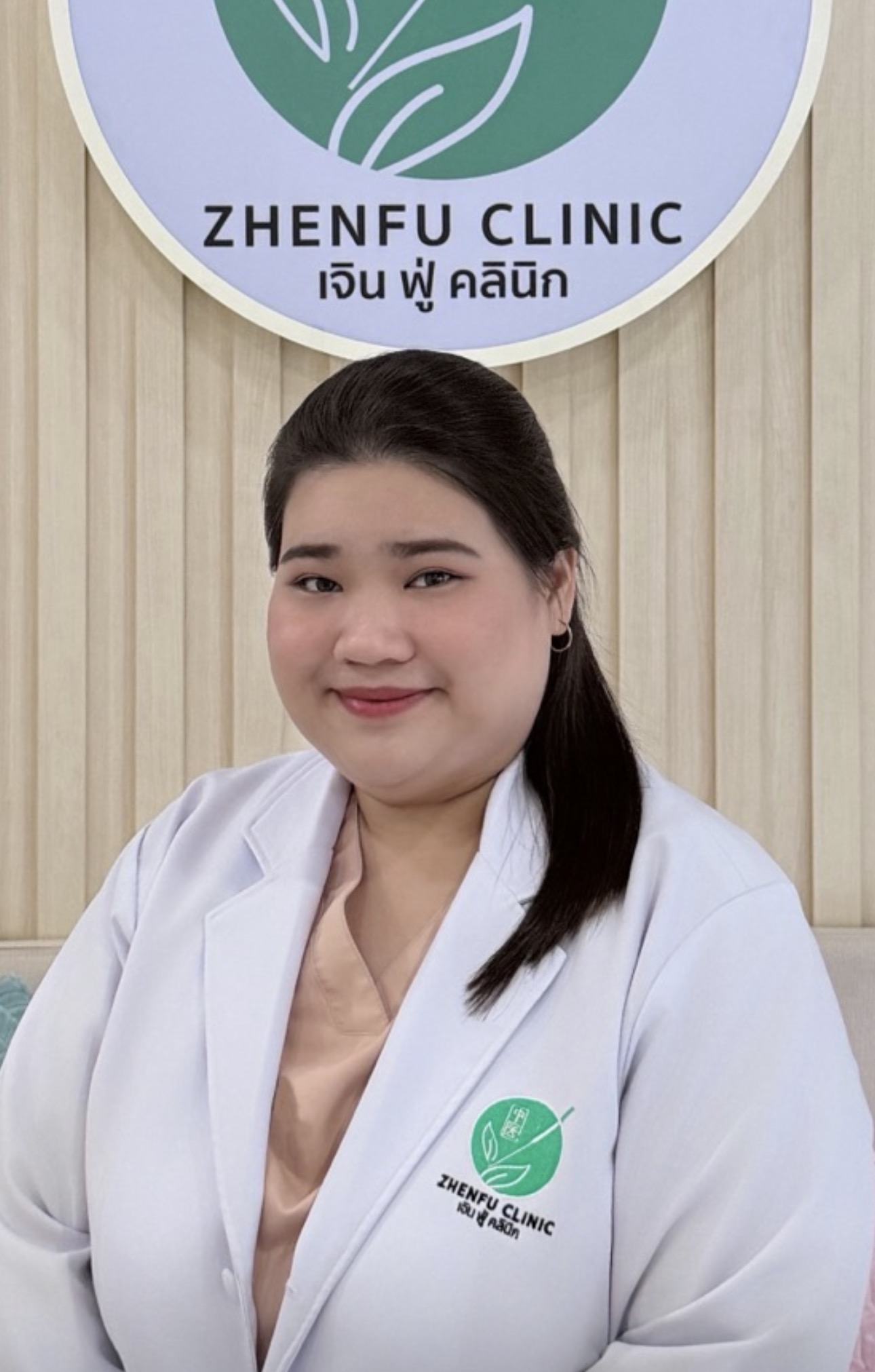
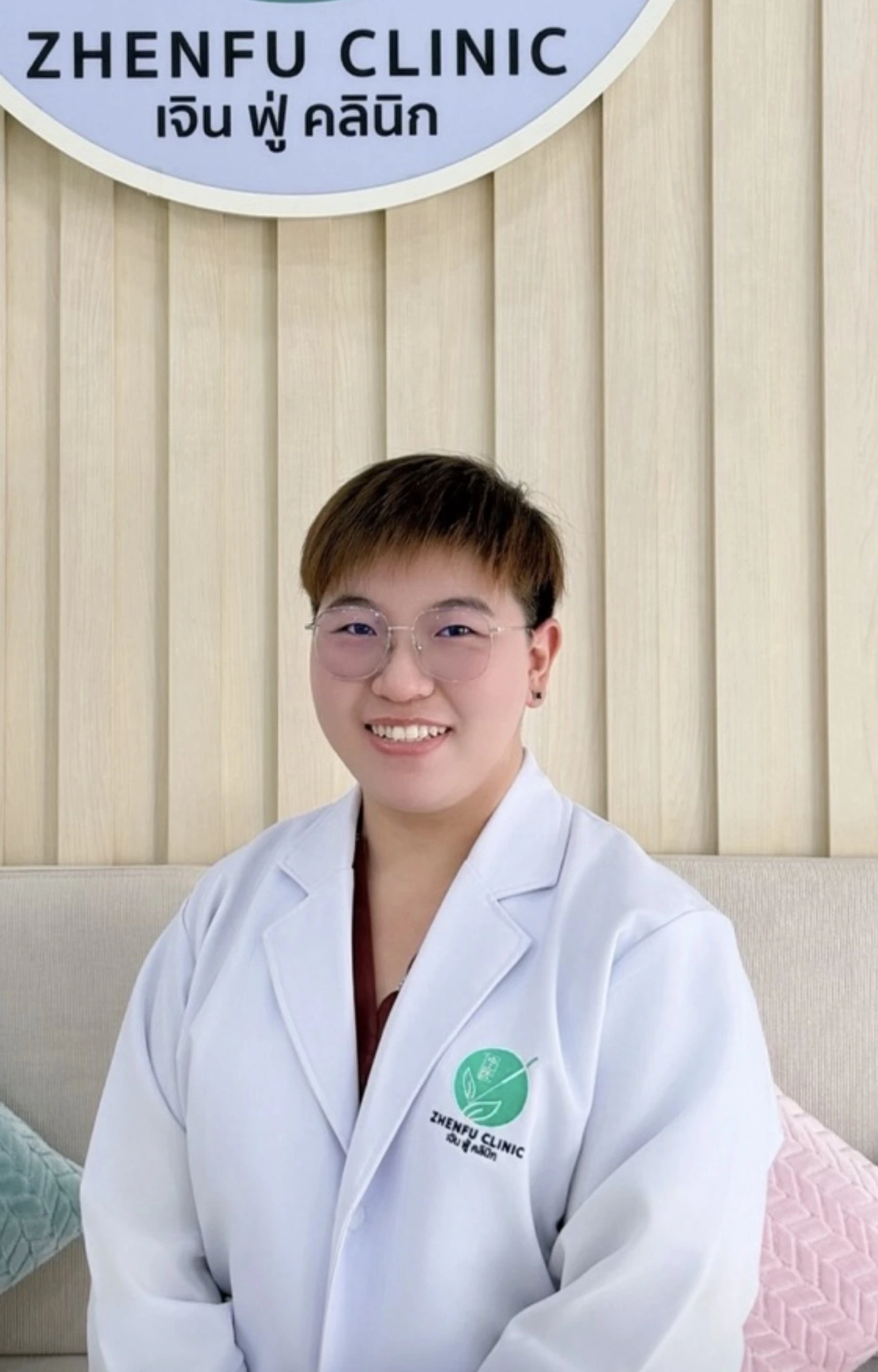
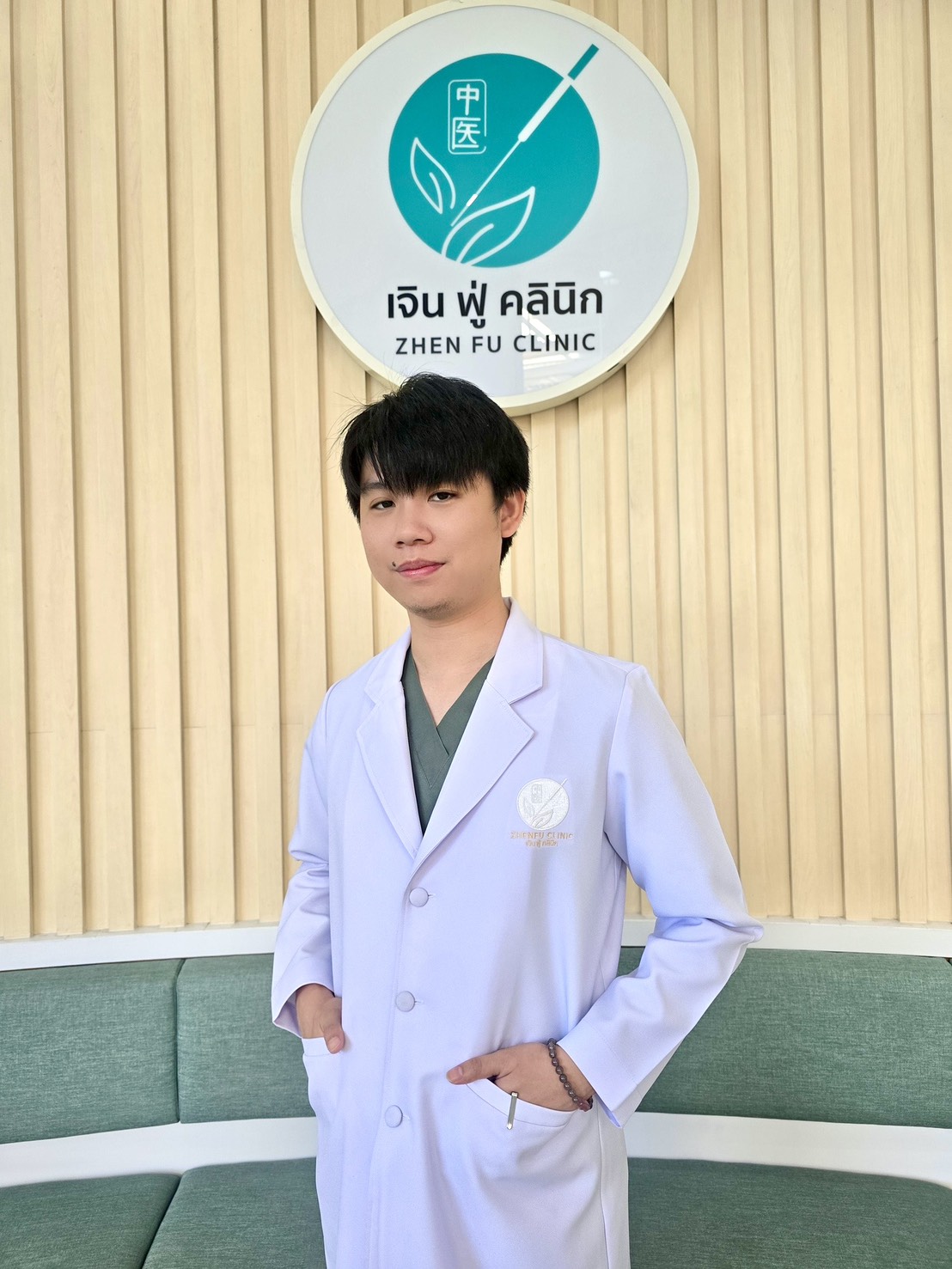
The Zhen Fu Medical Team at Each Branch

Select a doctor’s photo or the button below their name to read their profile, and find contact details for your preferred branch.

Meet the Full Zhen Fu Medical Team →

Acupuncture is a traditional Chinese medicine practice that uses fine needles to stimulate selected points on the body. The length and number of sessions depend on the condition, how long it has been present and the practitioner’s assessment. It may be used alongside conventional medical care when appropriate. Before treatment, please tell your practitioner about any medical conditions, medicines you take and pregnancy. Results vary from person to person.

Cupping is a traditional Chinese medicine procedure that applies suction to the skin. After assessing your condition, the practitioner selects the areas and technique to help tense muscles feel more relaxed. Temporary redness or bruising may occur. Please tell your practitioner if you take blood-thinning medication or have wounds or a skin condition in the area to be treated. Results vary from person to person.

Reviews from Our Patients

The doctor was very kind and friendly. Before the session, my back hurt. Afterwards it felt much better and lighter. My neck was still a little tight, but overall I felt better. The doctor recommended continuing treatment for a better result.

Panida Kerdmongkol

First time here, good experience so I bought a course already. Nice staff and great doctors ka

Beam Apornrat

The doctor was very kind and gave thorough care. Whenever a painful spot had not yet been addressed, the doctor continued until I felt more comfortable. I will definitely be back.

Phungjeed Jeed

A very good doctor who treated the right areas.

Konthorn Chai

Sitting under air conditioning at work left my neck feeling troubled. After acupuncture and cupping, I felt lighter than I had before. I felt very good.

Pacharapon Angkhaphichit

I used to have back pain regularly. The doctor used only a few needles, and it did not hurt. The doctor has a gentle touch, and my back felt lighter and less painful. The Chinese herbal medicine did not need boiling, which was convenient. Thank you very much.

Kaiitoon VT

Chinese Herbal Medicine at Our Clinic

Our clinic uses concentrated Chinese herbal medicine granules, which are convenient to mix and take. The amount and instructions depend on the formula and the practitioner’s assessment. Take the medicine as directed and tell your practitioner about your medicines, supplements, medical conditions and any history of drug allergies. Results vary from person to person.

Frequently Asked Questions

How much does acupuncture cost? Are there any hidden charges?

General acupuncture costs THB 800 per session. This includes the practitioner’s fee, single-use sterile needles, electroacupuncture when appropriate, and an infrared heat lamp. Before treatment, the practitioner asks about your symptoms and assesses you according to traditional Chinese medicine. This may include pulse and tongue assessment to choose a suitable care approach for you.

Does acupuncture hurt?

Acupuncture needles are fine and thin. The clinic selects a size suited to the location and treatment. You may feel a slight prick as the needle is inserted. Some people then feel tightness, a dull sensation, warmth or heaviness around the point. In traditional Chinese medicine, this sensation may be called deqi (the arrival of qi). If you feel sharp pain, significant pain or discomfort, tell your practitioner immediately so they can adjust the needle position or technique.

What can cupping help with?

Cupping is a traditional Chinese medicine procedure often used for aches, muscle tightness and fatigue associated with work or exercise. In traditional Chinese medicine, its purpose is to support the movement of qi and blood in the treated area. Physically, suction may affect local tissue circulation and help some people feel more relaxed. Red or darker cupping marks may appear afterwards and usually fade gradually over several days.

How much does cupping cost?

Cupping costs THB 500 per session, including the practitioner’s fee and an infrared heat lamp. A session may involve techniques such as flash cupping, moving cupping and stationary cupping, and takes approximately 15 minutes. The practitioner selects the area, duration and technique based on your condition.

How many visits will I need?

The number of visits depends on the condition, how long it has been present, its severity and your individual response. For symptoms that are less severe or have appeared recently, the practitioner may consider a plan of around 1–5 sessions. More severe, long-standing or complex symptoms may require follow-up over around 5–10 sessions or more, as appropriate. There is no fixed number that suits everyone. We recommend an assessment with the treating practitioner to plan care for your condition. Responses differ between individuals, and the practitioner reviews progress periodically and adjusts the plan as needed.

Plan your visit

Choose your preferred branch and contact us to book an appointment.